
Britain Is Already Multicultural
A Unionist's brief analysis of Kemi Badenoch's recent statements

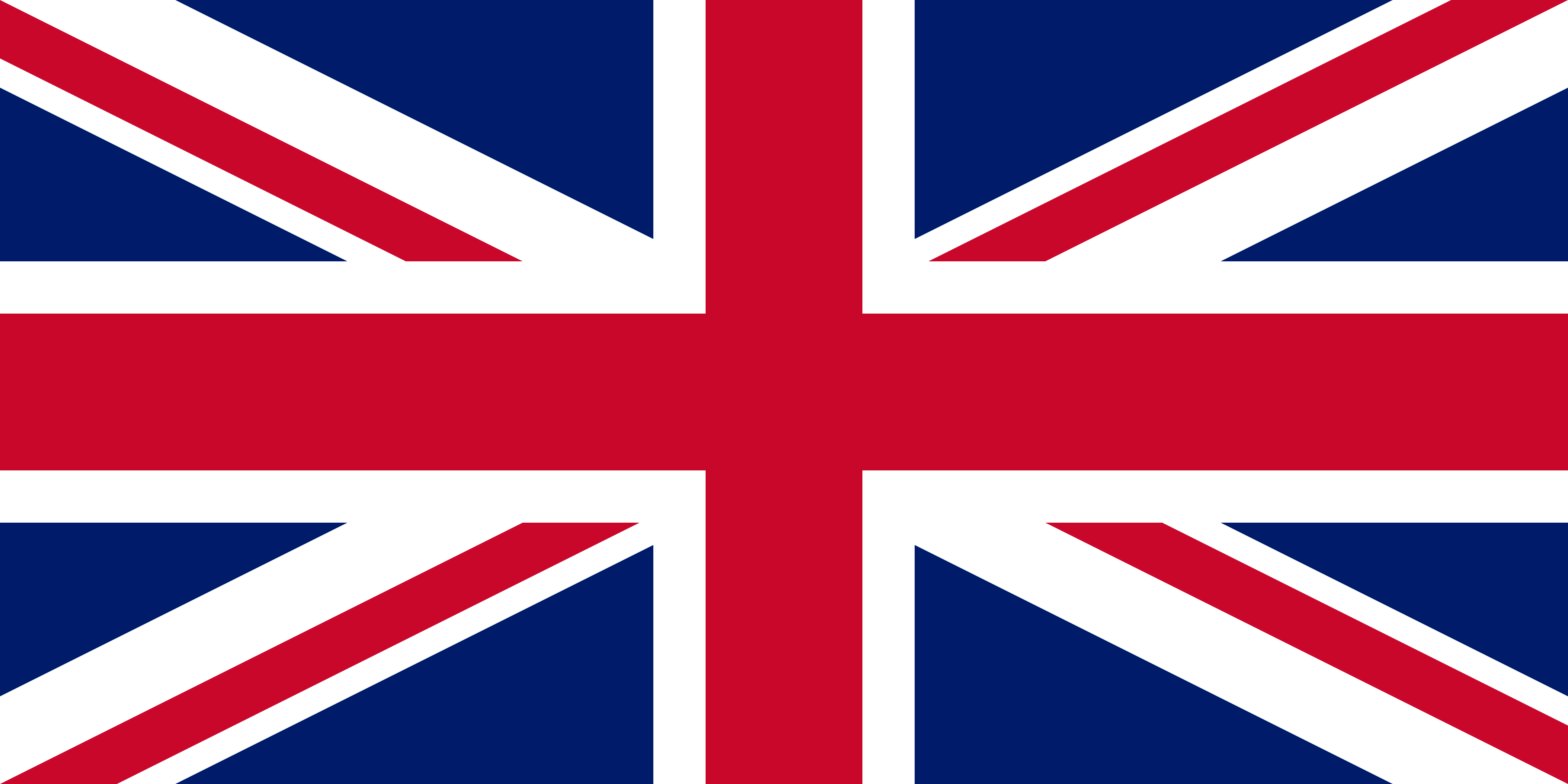
Kemi Badenoch has recently stated that while “Britain is a multiracial country, we must not be a multicultural one”.
My problem with this statement is that Britain is already a multicultural nation even without immigration from outside the British Isles. Britain is a union of four nations: England, Scotland, Wales and Northern Ireland. Therefore Britain is influenced by English culture, Scottish culture, Welsh culture and Northern Irish culture, to say nothing of the north-south divide in England, highland and lowland culture in Scotland which is a nation with two indigenous languages and her own established church, the differences between North and South Wales, and the very powerful distinction between Protestants and Catholics in Northern Ireland. We could go further and include Cornish culture.
So why is this important?
Well, firstly it is misleading to imply that without the cultural assimilation of immigrants from outside the British Isles, Britain would have one culture. Secondly, it simply isn’t a good strategy either for the Conservative Party or for the Unionist movement itself.
It is a negative campaign strategy for the Conservatives because voters in the devolved nations understand that Britain is multicultural and that they have a particular and valued position within this multicultural arrangement. The Tories are the most solidly unionist of all parties in Great Britain — we are after all the Conservative and Unionist Party.
The Union’s multiculturalism is important. It has allowed Britons from all the isles’ nations and thus from different cultures to bring whatever their culture has to offer to the table and to flourish together. The multiculturalism of the union has contributed to our success as a united kingdom. The Union’s multiculturalism is also deeply appealing. Britons from the less populated nations understand that they can gain enormously from being part of the Union especially in terms of economics and defence, while preserving their very unique cultures.
When we Conservatives fail to understand multiculturalism as being such an important aspect of the Union, we look very silly, if not entirely unintelligent. I don’t want Conservatives to look silly and I especially don’t want us to look silly when it comes to the Union because the British Union is a fundamental pillar of Toryism.
Jon Burrows the Ulster Unionist Party’s leader claimed that Reform UK’s leader Nigel Farage is “an English nationalist, not a UK unionist”. While I may not entirely agree with Mr Burrows on that accusation — I think that Mr Farage is a unionist — I do understand how that perception has come about in Northern Ireland and probably across the rest of the United Kingdom. Mr Farage’s political career has very much been built in England and is quite Anglo-centric. The Reform UK frontbench team (it is not a shadow cabinet) is filled with English MPs and political figures.
The party is unionist though, and Reform UK is starting to focus on Wales and Scotland and is also in an electoral alliance with the Traditional Unionist Voice in Northern Ireland. However, one cannot deny that Reform UK is at least aesthetically and personally a very English party.
The Conservatives must try to avoid comparisons with Reform UK. However weak an accusation of English nationalism against Mr Farage is, we cannot afford to be seen in the same way.
This rhetoric in favour of a British monoculturalism is bad news for the Unionism, because it sends a signal to the people of the devolved nations, that English political thinkers are not only ignoring the benefits of the Union’s intrinsic multiculturalism but are perhaps completely unaware of such benefits or of the multiculturalism itself — perhaps the presence of their cultures have slipped our minds. They might expect it from Reform UK, but they don’t expect it from us, and that makes those in the devolved nations who are optimistic about and want to believe in the Union even more worried.
The Union is in trouble. There is no denying that. While the the devolved nations’ peoples’ support for separation is debatable, there are in fact nationalist parties in government in Northern Ireland and Scotland, and there is a threat of a nationalist government in Wales, so there are practical obstacles standing in the way of a British Union functioning smoothly.
At this time especially, we unionists must be very careful with our words — the country’s unity depends on them.
I hope you enjoyed this article!
I will be publishing a sequel article which will go into how we can turn British multiculturalism into British unity. That article should also conclude the discussion in a more general way.